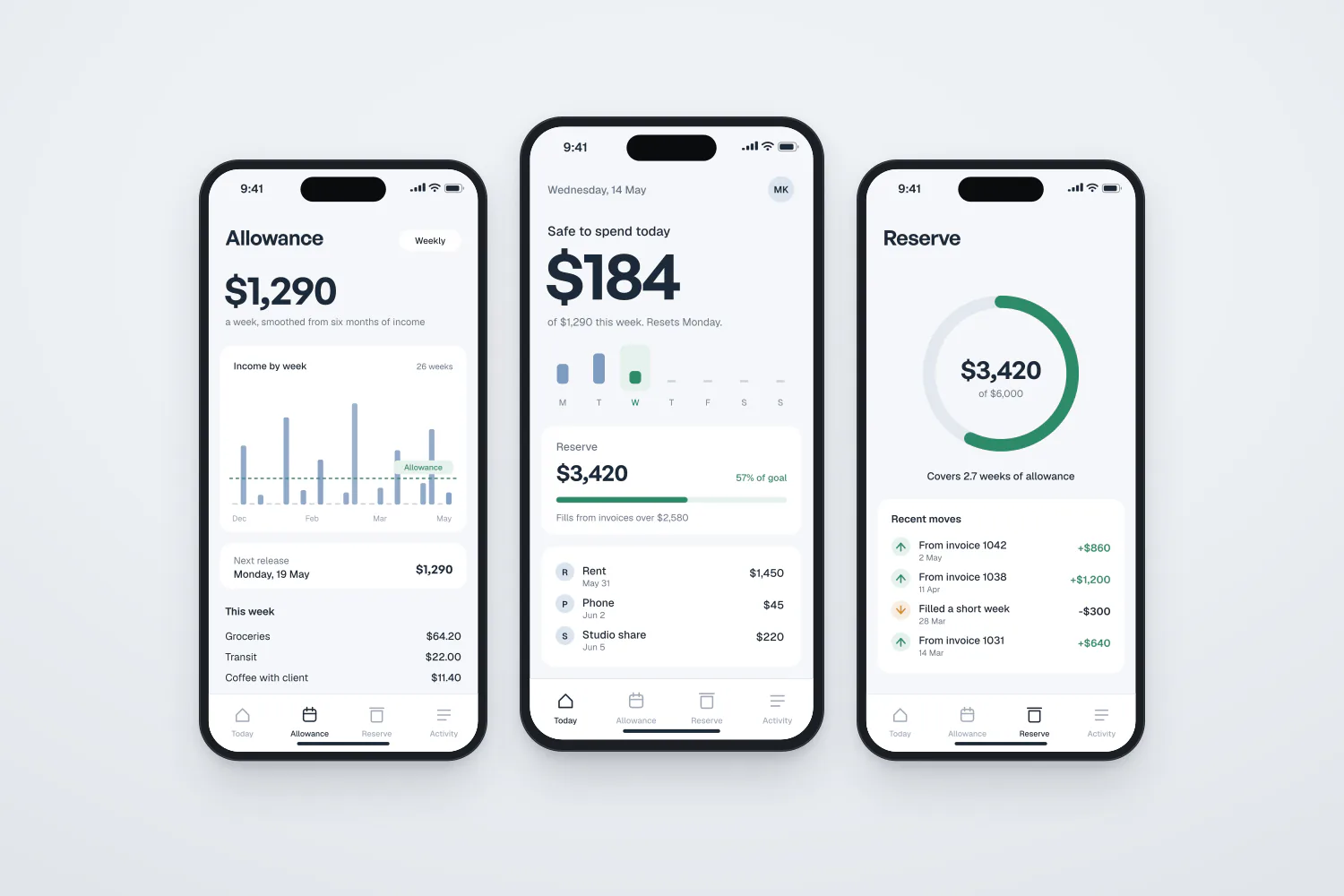
02 / 08
Fintech app redesign
Budgeting for people without a paycheck
Tallyfield assumed a monthly paycheck. Its freelance users earn in lumps, so the app told them they were broke one week and rich the next.
- Client
- Tallyfield
- By
- Ines Varga
- Year
- 2025
Room 01 · Entrance
Casepanorama, AI case studies and portfolios
Drop in a project's screens, sketches, and rough notes. Casepanorama reads them, writes the case study in your voice, sequences the strongest images, and asks for the facts it is missing instead of guessing.
Room 02 · The exhibition
Each case study was drafted by Casepanorama from its designer's own files and rough notes, then edited by them. The studios and clients are fictional; the method is not.
02 / 08
Fintech app redesign
Tallyfield assumed a monthly paycheck. Its freelance users earn in lumps, so the app told them they were broke one week and rich the next.
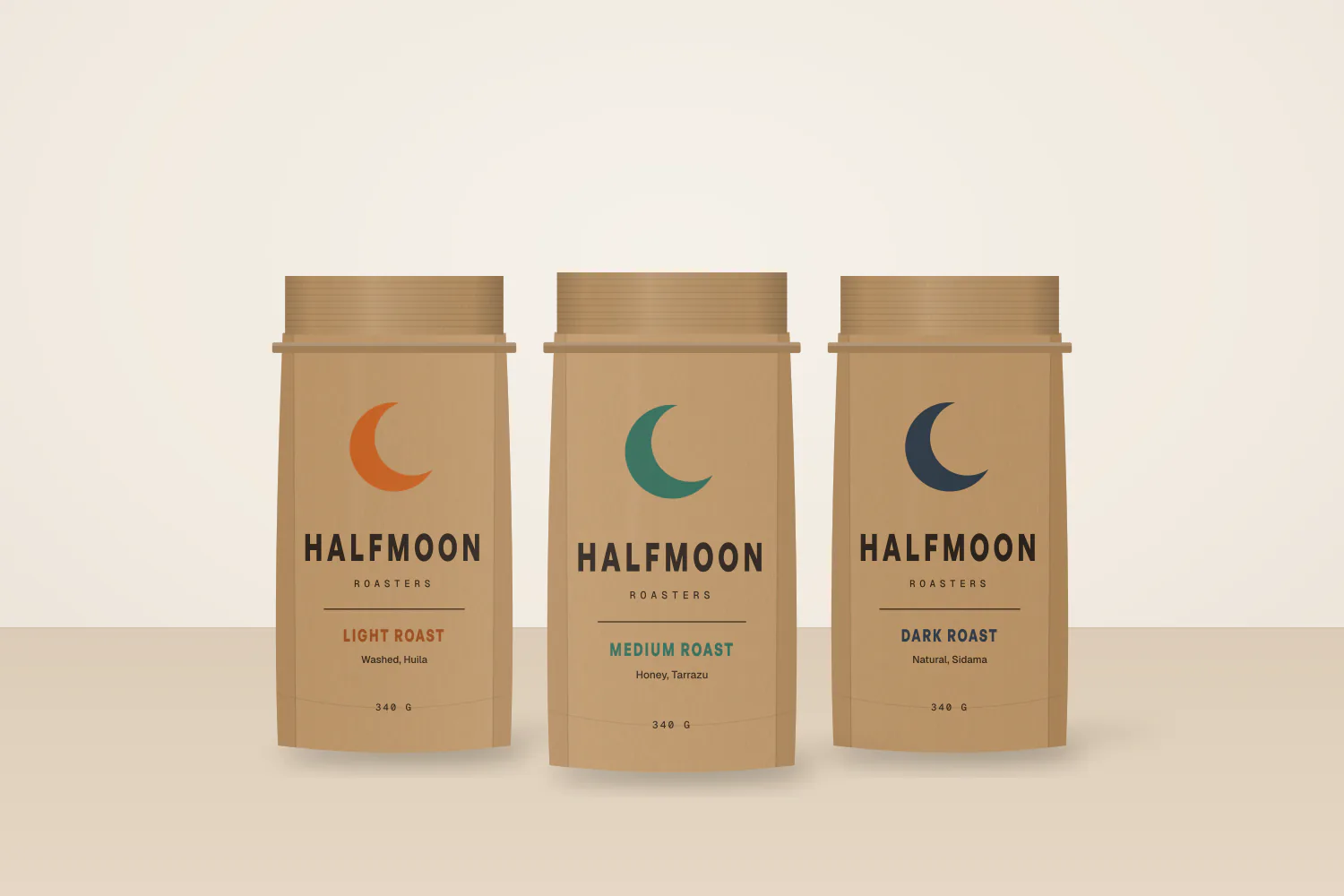
03 / 08
Coffee brand identity
A ten-year-old roastery had outgrown a logo drawn by a friend. Wholesale buyers mistook it for a hobby, but regulars loved the old mark.
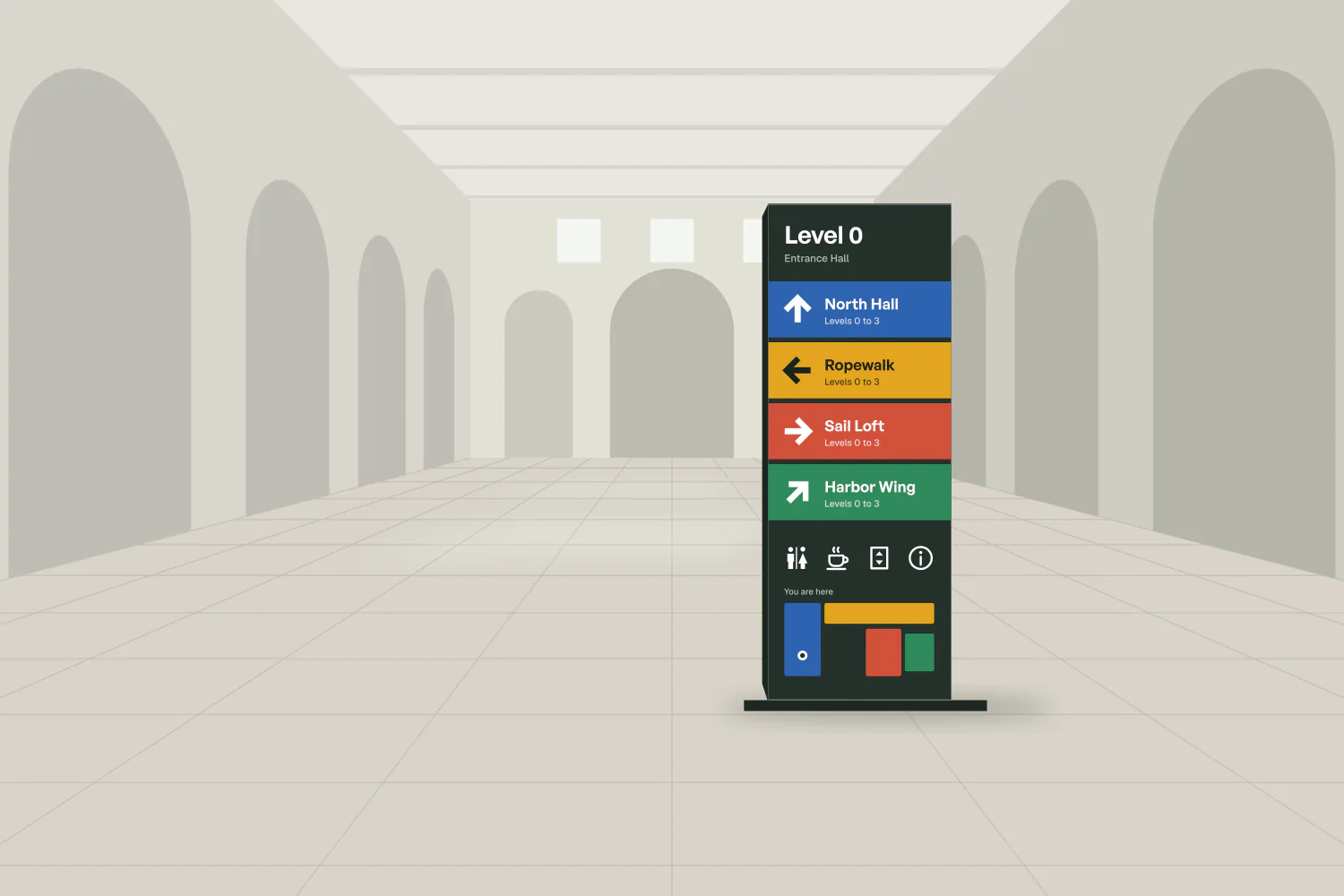
04 / 08
Museum wayfinding system
The museum grew into four connected buildings with three floor numbering schemes. Visitors asked the front desk for directions more than anything else.
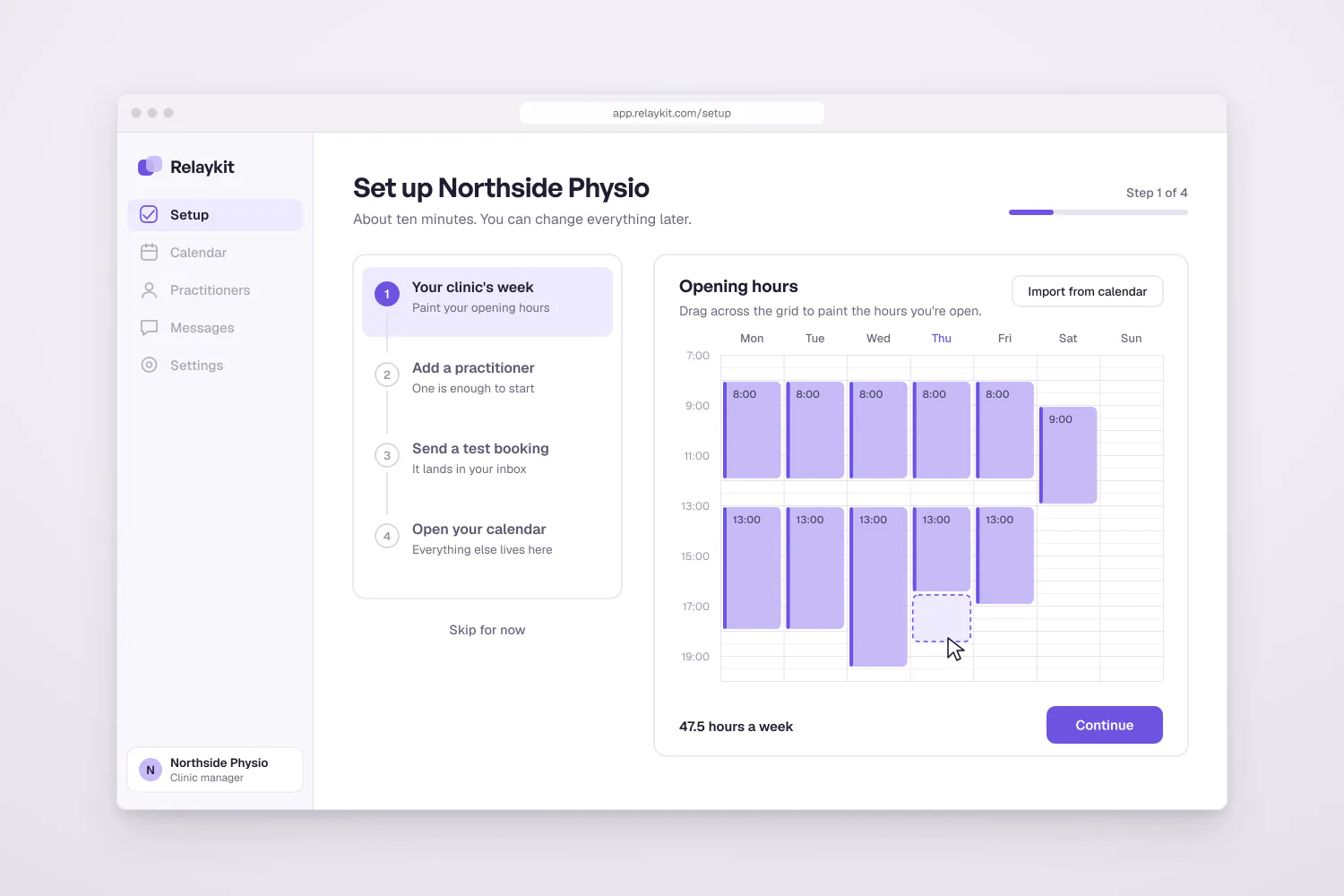
05 / 08
SaaS onboarding flow
Clinics signed up for Relaykit's scheduling tool and stalled before adding their first practitioner. Most never booked a single patient.
06 / 08
Architecture renovation
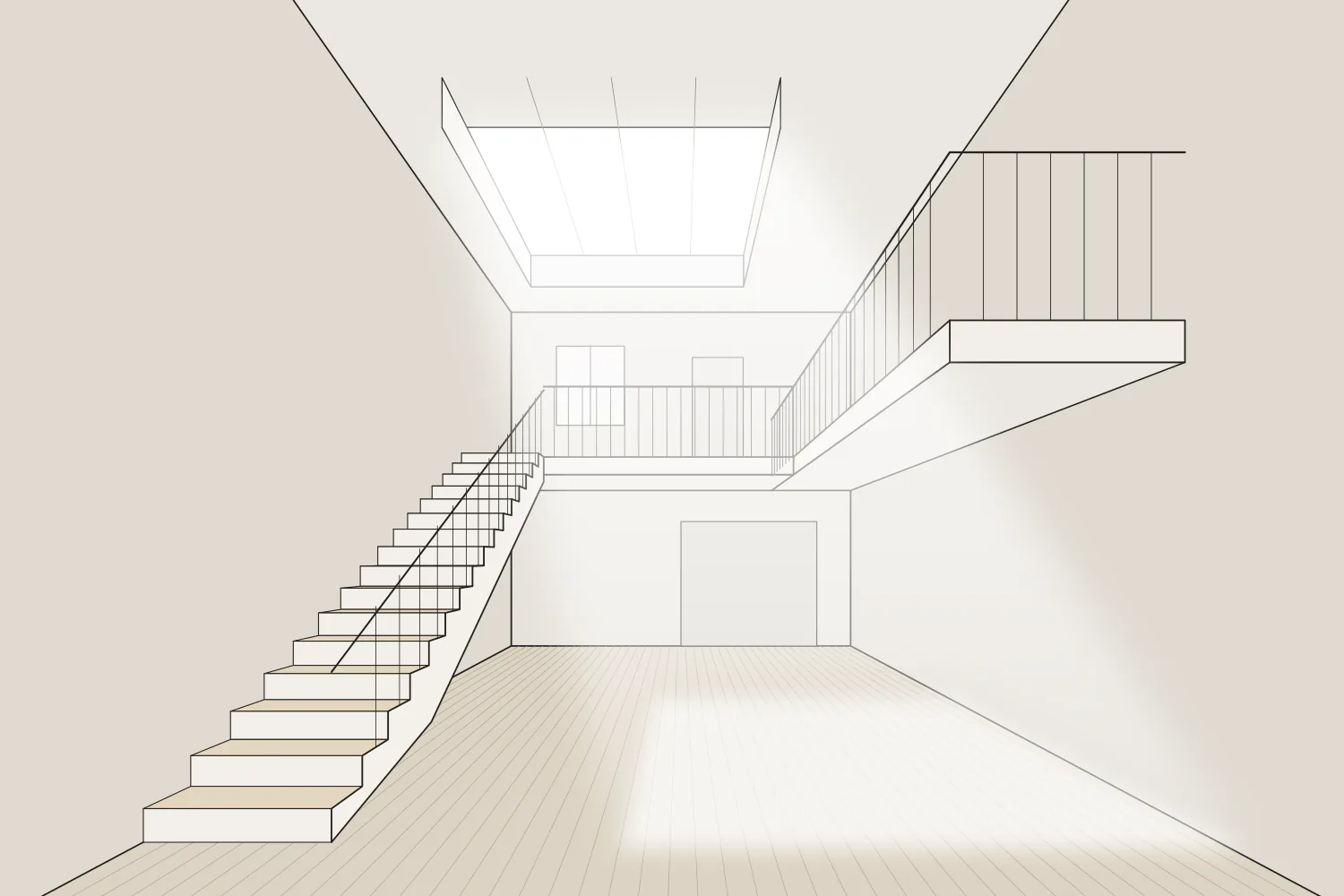
A 1910 triple-decker had three dark, identical floors. The owners wanted to live on two of them and rent the third without anyone losing daylight.
07 / 08
Packaging system
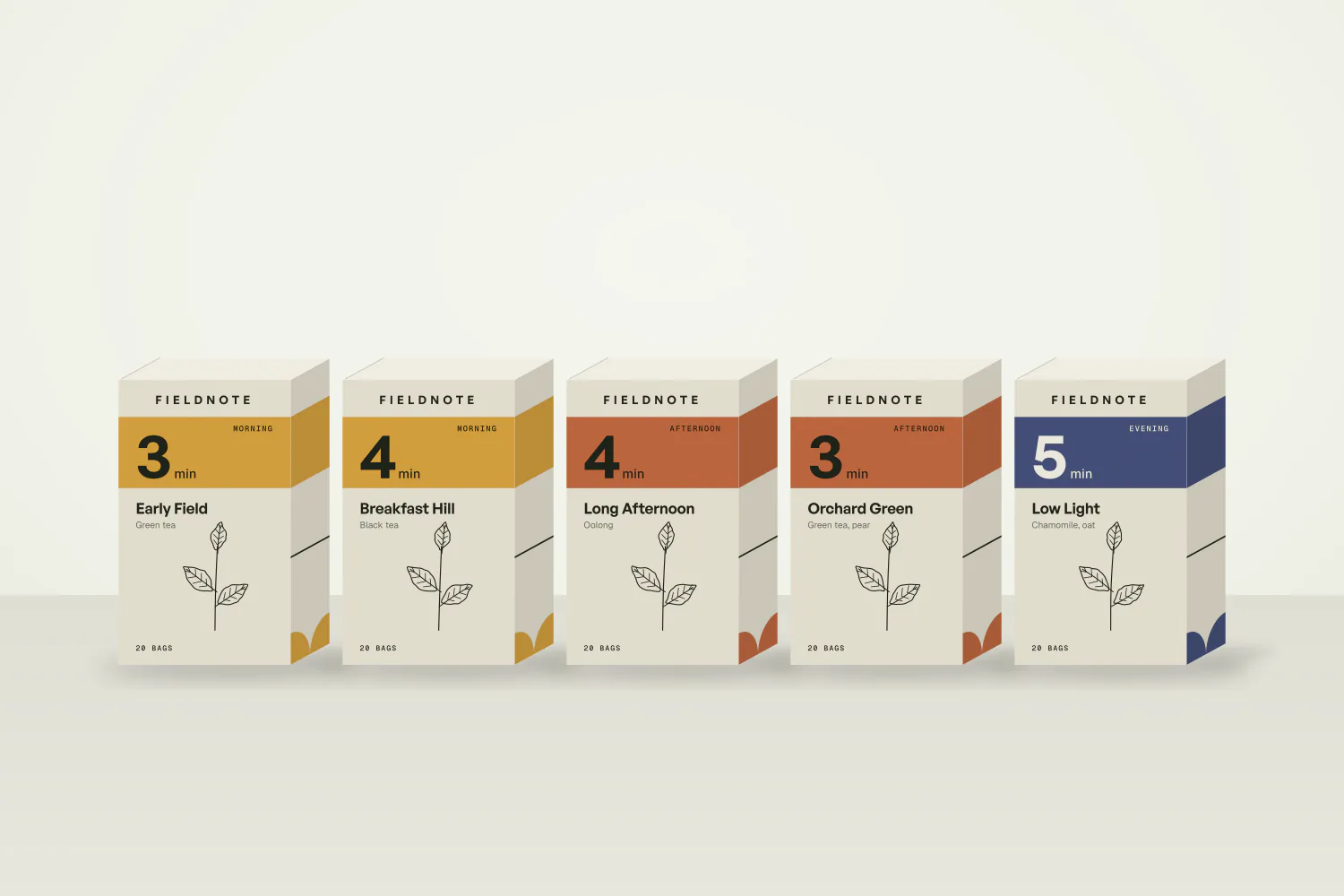
Fieldnote sold eleven teas in eleven unrelated boxes. Shoppers could not tell a calming blend from a breakfast tea at arm's length.
Room 03 · The live demo
No account. Your images and notes are drafted in memory and never stored. Casepanorama uses only what you give it.
Drop up to four images here
Screens, sketches, photos. PNG, JPEG, or WebP.
Room 04 · How it works
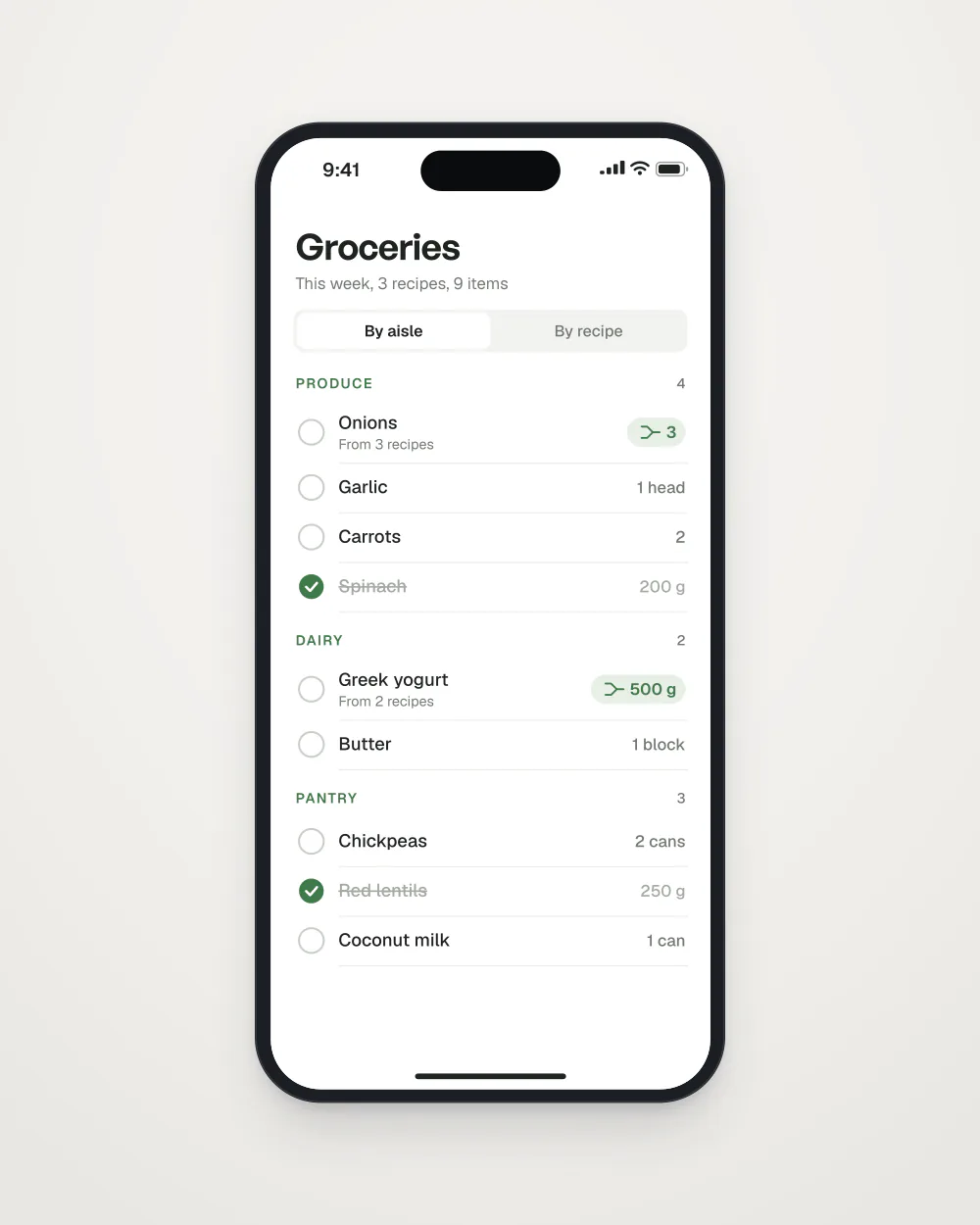
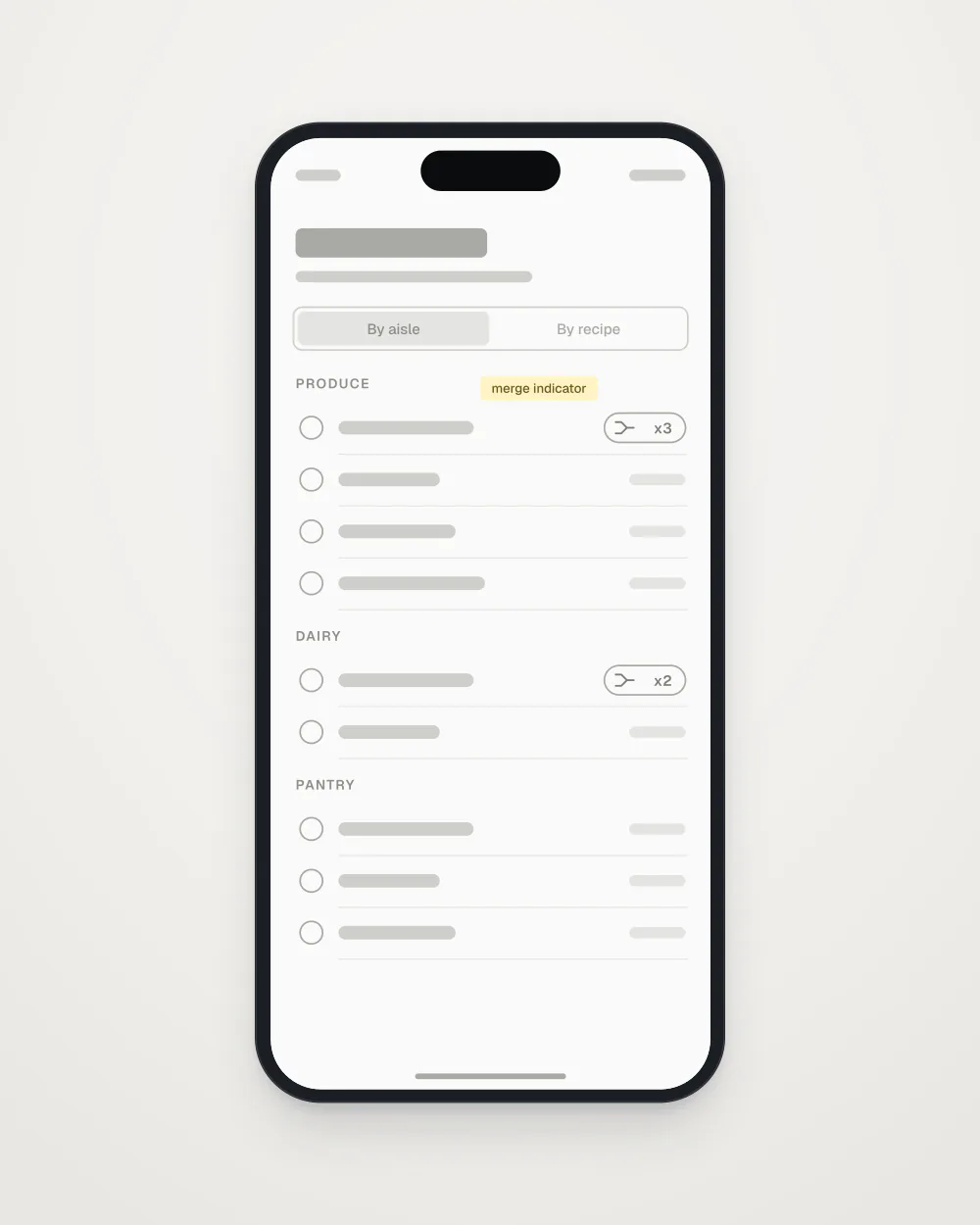
notes.txt
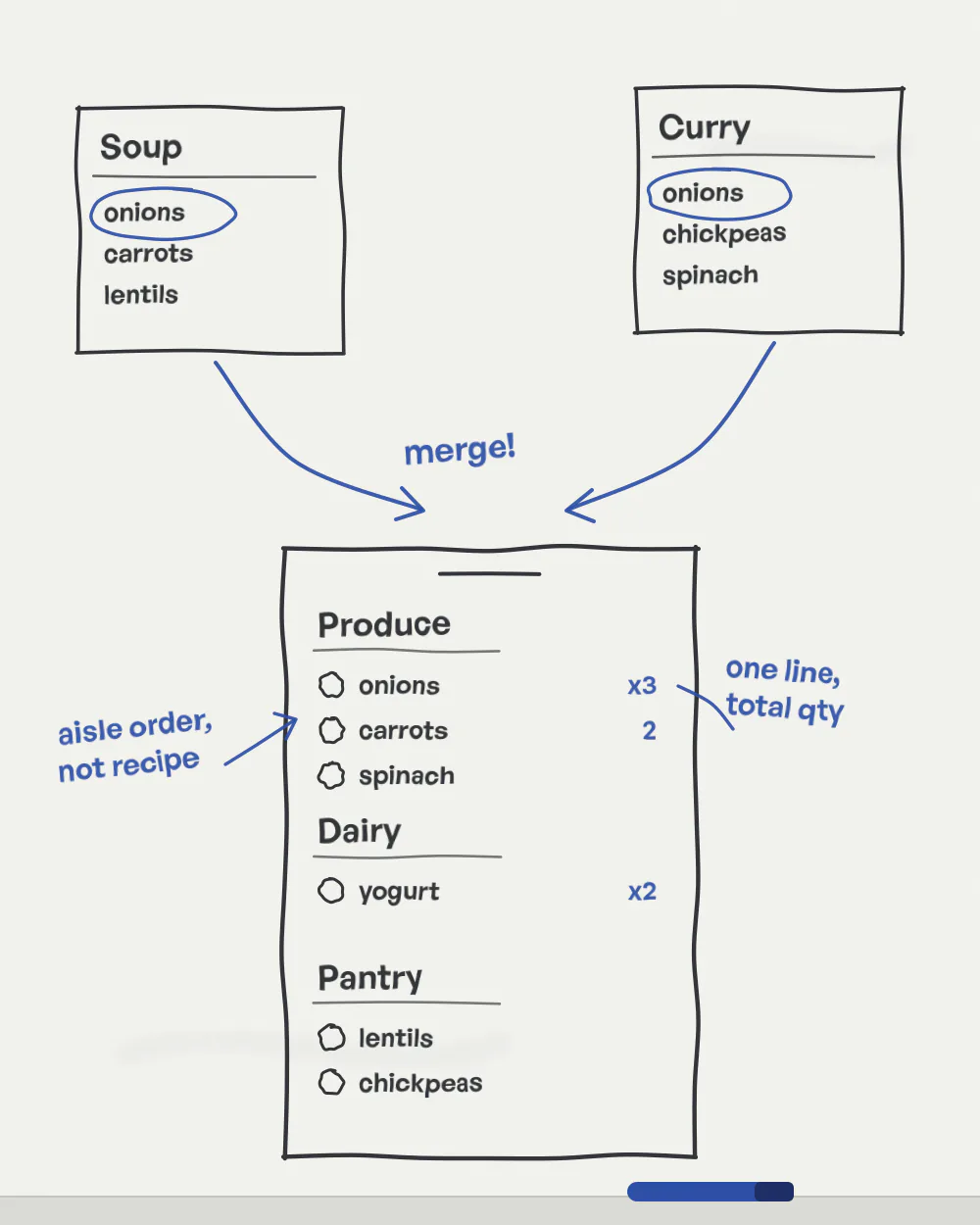
people kept losing items when they combined lists... i was the only designer, two engineers, about six weeks
01
Screens, photos, sketches, plans, a voice-to-text ramble about the brief. Add your role, the timeline, and any numbers you actually have.
Draft · Mise grocery list
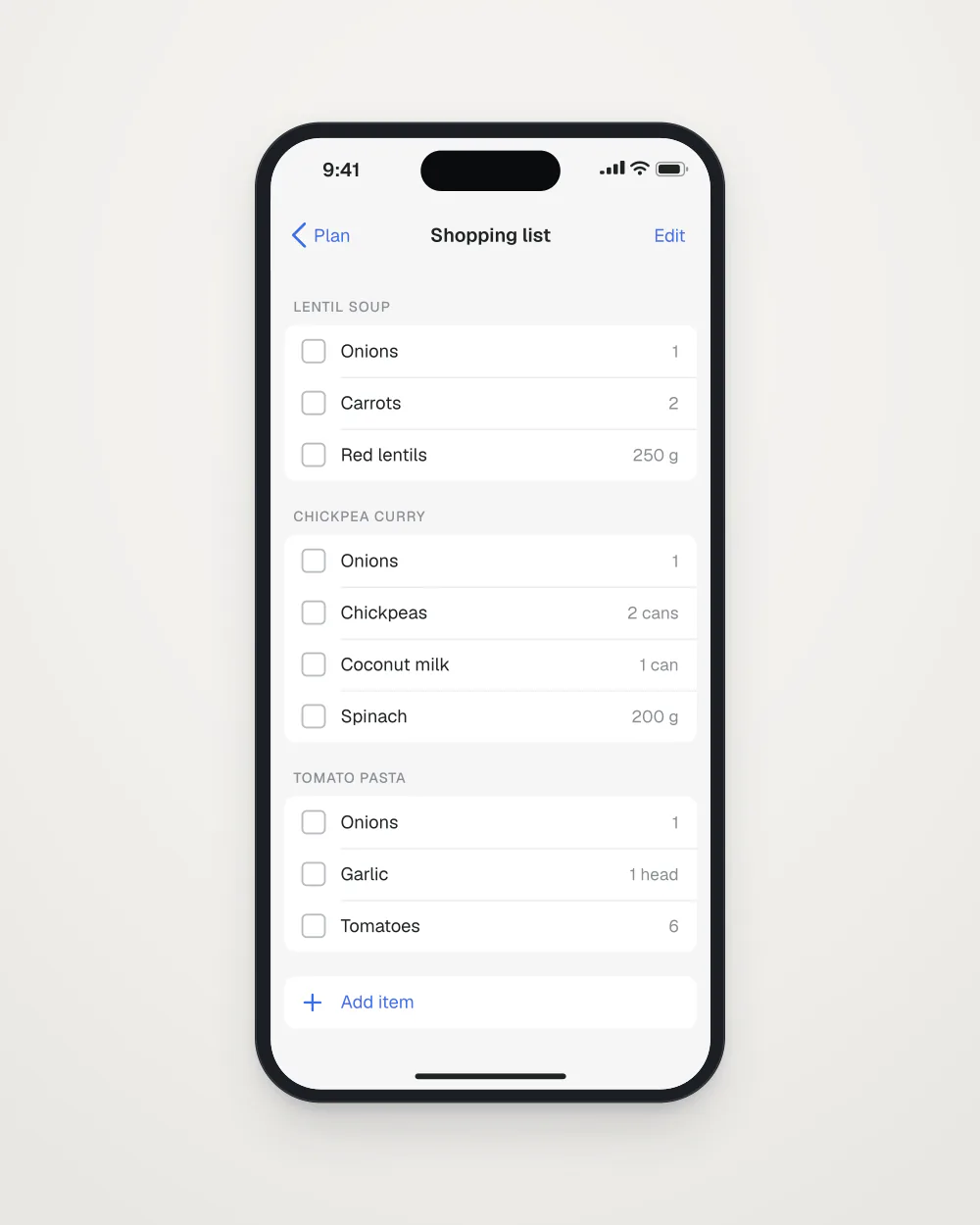
Redesigning the grocery list in Mise
The problem
People kept losing items when they combined lists from several recipes.
Decision 01
We grouped the list by store aisle.
Because they shopped aisle by aisle but the list was sorted by recipe.
Missing fact
What happened after it shipped? One metric would help if you have it.
02
It reads every image, finds the problem, your role, the constraints, and each decision with its reason, orders the images into a narrative, and captions them.
03
Edit anything, answer the questions it asked, blur what is under NDA, and publish to your own horizontal gallery at casepanorama.com/p/you.
Room 05 · Features
01
Vision models look at every image: UI states, plans, packaging, signage, whiteboard photos.
02
First person, your register, your words where they work. No hype, no filler.
03
Before state, research, iterations, final, details. Reorder by dragging if you disagree.
04
Where a number would help, it asks. It never guesses a metric, a client, or an outcome.
05
Draw rectangles to blur regions and replace client names with a descriptor everywhere.
06
A horizontal gallery portfolio at casepanorama.com/p/you, live in a second.
07
Point your own domain at your panorama on Studio and Agency.
08
Routed across vision and language models; when one is down, the next one answers.
Room 06 · Built AI-native
Reading a wireframe, a site plan, or a photo of a whiteboard, and then writing an honest narrative about the decisions behind it, is a job for modern multimodal models. That is the product, not a feature bolted on.
Casepanorama is model-agnostic. Drafts are routed across providers, validated against a strict schema, and checked by a facts guard that removes any number you did not give.
How the AI worksRoom 07 · Wall text 1
I had eleven projects and no case studies. Casepanorama asked me four questions I had been avoiding for two years, and the case study came straight out of my answers.
Room 07 · Wall text 2
It refused to make up a number for the wayfinding project. It asked me for the front desk logs instead. That is exactly what a good editor does.
Room 08 · Pricing
$0forever
One published case study on a casepanorama path.
$12USD a month
Unlimited case studies, NDA mode, your own domain, and analytics.
$39USD a month
A team portfolio with five seats, client-ready PDFs, and priority models.
Prices in US dollars, worldwide. Taxes may apply. Cancel any time from Billing; your published work stays up until the period ends.
Room 09 · Questions
No. Case studies use only the facts you supply. A facts guard removes any sentence that introduces a number you did not give, and where a metric would help, Casepanorama asks for it instead.
Yes. Uploads stay private to your studio until you publish. They are never used to train models, and you can export or permanently delete everything, including stored images, from Settings.
NDA mode lets you draw rectangles to blur sensitive regions and replace the client's name with a descriptor such as "a regional bank". Blurring is applied on our server, so the original pixels are never published.
Casepanorama is model-agnostic: drafting is routed across vision and language providers in a configured order, with a deterministic house writer as the last fallback. Agency plans get priority routing.
Studio and Agency can point a custom domain at their portfolio. Every portfolio also lives at casepanorama.com/p/yourname.
You move to Free at the end of the period. Your most recent published case study stays live; the rest return to drafts, untouched.